The 1682757 datasheet lists the part as a 5‑pin, angled M12 cable assembly with shielded conductors and a PUR outer jacket — the kind of specification set commonly used across industrial sensor and actuator networks. This opening data point frames the guide: you will get a concise spec breakdown so you can assess mechanical, electrical, and installation fit quickly.
This guide unpacks each spec line so engineers and buyers can evaluate flex life, signal integrity, and mating compatibility without wading through multiple pages. It highlights actionable test points, a compact snapshot table, and purchase/installation checklists so you can compare alternatives and validate samples before deployment.
1 — Quick Overview & Intended Use
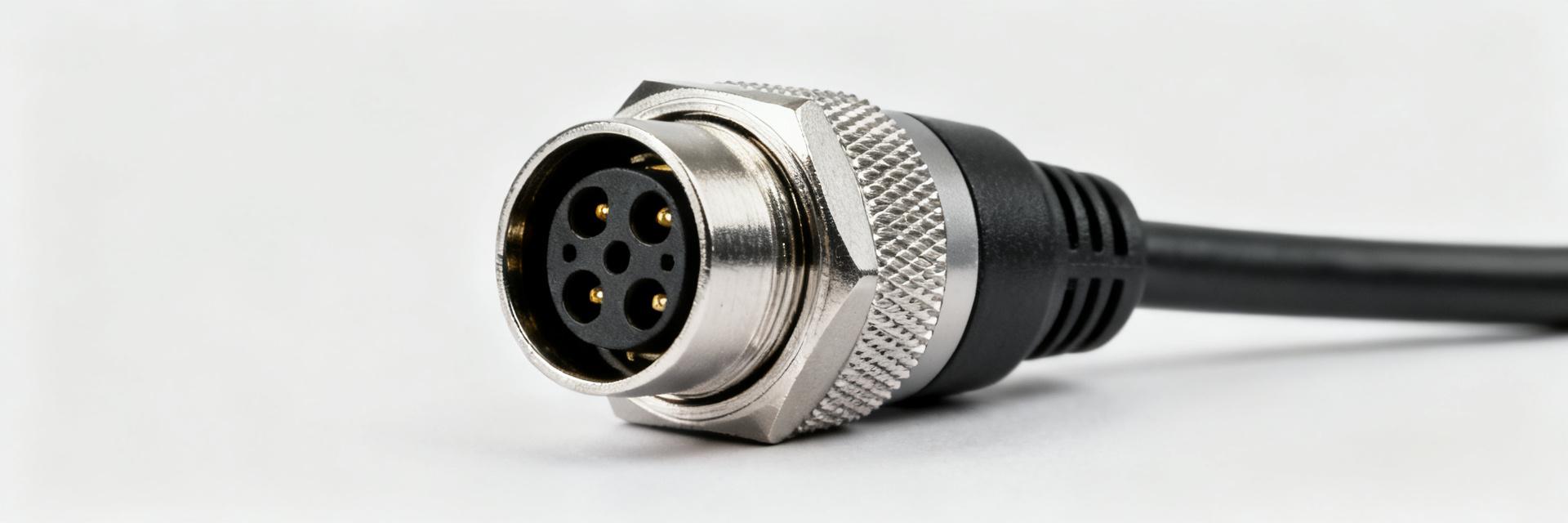
Part identity & common applications
Point: The assembly is a 5‑pin, angled M12 connector on a shielded multi‑conductor cable intended for sensor/actuator drops. Evidence: The datasheet denotes a 5‑pole wiring pattern and angled plug orientation. Explanation: That combination favors tight routing near machine frames while preserving shielding for noise‑sensitive signals in automation, robotics, and conveyor control networks.
Snapshot spec table
Point: A compact spec breakdown lets you compare fit quickly. Evidence: Key fields such as pin count, shielding, and jacket material determine suitability for fixed or moving runs. Explanation: Use the following table as a top‑level checklist when scanning procurement options.
| Field | Value |
|---|---|
| Pin count | 5 |
| Connector orientation | Angled M12 |
| Shielding | Shielded (foil + braid typical) |
| Jacket material | PUR outer jacket, halogen‑free |
| Typical lengths | 0.5 m–30 m (custom options) |
| Typical ratings | 30 V–60 V; temp range −30°C to +80°C |
2 — Mechanical & Environmental Specifications
Cable construction & materials
Point: Conductor size and jacket choice drive mechanical life. Evidence: The construction section specifies multiple stranded conductors (small AWG equivalents) with polymer insulation and a PUR outer jacket. Explanation: Stranded fine‑wire conductors improve flex performance; PUR jackets resist oil and abrasion, so verify conductor cross‑section and insulation thickness against your flex cycle requirements.
Environmental ratings & mechanical limits
Point: Temperature, IP rating and bending radius determine where the cable can be used. Evidence: The datasheet lists an operational temperature band and typical IP rating for mated assemblies. Explanation: In most on‑machine applications choose cable with adequate bending radius and rated tensile strength; perform a sample flex‑cycle test when continuous motion is expected.
3 — Electrical & Signal Specifications
Conductor & signal characteristics
Point: Resistance, capacitance and shielding affect signal integrity for fieldbus and sensors. Evidence: Spec lines include conductor resistance per length and shield type. Explanation: For higher‑speed sensor communication, verify impedance characteristics and shield coverage; twisted pairs or individualized shielding reduce crosstalk and improve immunity in noisy motor control cabinets.
Voltage, current ratings & safety limits
Point: Rated voltage/current and dielectric strength set safe operating envelopes. Evidence: The datasheet lists per‑pin current ratings and a rated voltage. Explanation: Use a 20–30% safety margin when selecting fuses and overcurrent protection, and apply temperature derating when cables run near heat sources to avoid insulation breakdown.
4 — Connector & Pinout Details
M12 connector coding, orientation & pin mapping
Point: Connector coding and pin mapping determine compatibility with existing devices. Evidence: The part uses standard M12 coding and a 5‑pin assignment. Explanation: Map pin numbers to expected power, ground and signal lines before installation; an angled plug eases routing but requires attention to strain relief and connector clearance in tight enclosures.
Mating, compatibility & mechanical fit considerations
Point: Proper mating and sealing preserve IP and electrical performance. Evidence: Torque and sealing notes appear in the connector details. Explanation: Follow recommended coupling torque, confirm panel‑mount versus cable‑to‑cable mating, and verify sealing gaskets are in place; continuity checks of shield and contact resistance ensure correct assembly after mating.
5 — Performance Testing, Compliance & Reliability Data
Test results & performance metrics to validate
Point: Request test data for flex life, shielding effectiveness, and insulation resistance. Evidence: Typical datasheet test entries include bending cycles and shielding dB figures. Explanation: Define pass/fail thresholds for your application—e.g., minimum bending cycles for continuous motion, and shielding attenuation sufficient to keep sensor error rates below your tolerance.
Standards, markings & compliance notes
Point: Material and environmental compliance affect procurement and certification. Evidence: Markings on the cable indicate material class and basic compliance notes. Explanation: Ask suppliers for material flammability class, RoHS‑like declarations, and test certificates; these help you meet factory safety and environmental requirements when documenting system compliance.
6 — Installation Checklist, Troubleshooting & Buying Guide
Installation & maintenance checklist
Point: A short, repeatable install checklist reduces failures. Evidence: Best practices come from common failure modes listed in product notes. Explanation: Verify part ID against the labeling, confirm pinout and orientation, torque connectors to spec, secure strain relief, test continuity and shielding after install, and schedule visual inspections on a regular interval.
- Verify part ID and label, confirm orientation and pin mapping before mating.
- Tighten coupling to recommended torque; secure strain relief and routing to avoid repeated tight bends.
- Post‑install: continuity, insulation resistance, and shield continuity checks.
Purchasing checklist & spec comparison tips
Point: Compare core fields to choose the right assembly. Evidence: Datasheet tables should list pin count, jacket, shielding, rated temp/current, and lengths. Explanation: When sourcing, match pin count and connector coding, specify jacket type (PUR for oil/abrasion), confirm shielding topology, and request certificates or lab reports for critical applications.
Summary & Next Steps
When you review the 1682757 information, prioritize mechanical build, electrical ratings, connector compatibility, and test/compliance evidence to verify fit for your application. Request sample test reports and run a representative flex or abrasion test for motion applications. Use the checklists above to streamline procurement and installation validation.
- Mechanical fit: confirm angled M12 clearance, bending radius, and strain relief; check conductor cross‑section against flex requirements.
- Electrical limits: verify per‑pin current and voltage ratings, dielectric strength, and request shielding attenuation numbers for noisy environments.
- Testing & compliance: insist on flex‑cycle, insulation and shielding test results, plus material and environmental declarations before bulk purchase.
Frequently Asked Questions
How do I verify the 1682757 pinout before installation?
Check the cable label and the printed pin mapping on the datasheet section that lists contact assignments; use a multimeter to confirm continuity to each pin and verify shield continuity. This prevents miswiring and saves troubleshooting time after installation.
Can the 1682757 assembly handle continuous flex in a cable carrier?
Assess the specified bending cycle rating in the datasheet and compare it to your expected cycles per hour. If the datasheet shows a limited flex rating, request a sample and run your own flex‑life test in a representative cable carrier before committing to production quantities.
What test reports should I request for 1682757 reliability validation?
Request insulation resistance, continuity, shielding effectiveness (dB), bending cycle test reports, and any environmental aging data. Certificates for material flammability and environmental compliance (RoHS‑like) are also useful for procurement and safety documentation.
What is the standard jacket material and its benefit for the 1682757?
The 1682757 features a PUR (polyurethane) outer jacket, which is halogen-free. This provides superior resistance to mechanical wear, abrasion, and industrial oils compared to standard PVC, making it ideal for harsh dynamic automation environments.


